
Planning a Private Jet Technical Stop in Bali
How to plan a private jet technical stop in Bali: fuel at USD 0.907/L, DGCA permit lead times, realistic ground time, and Australia-Asia route scenarios at

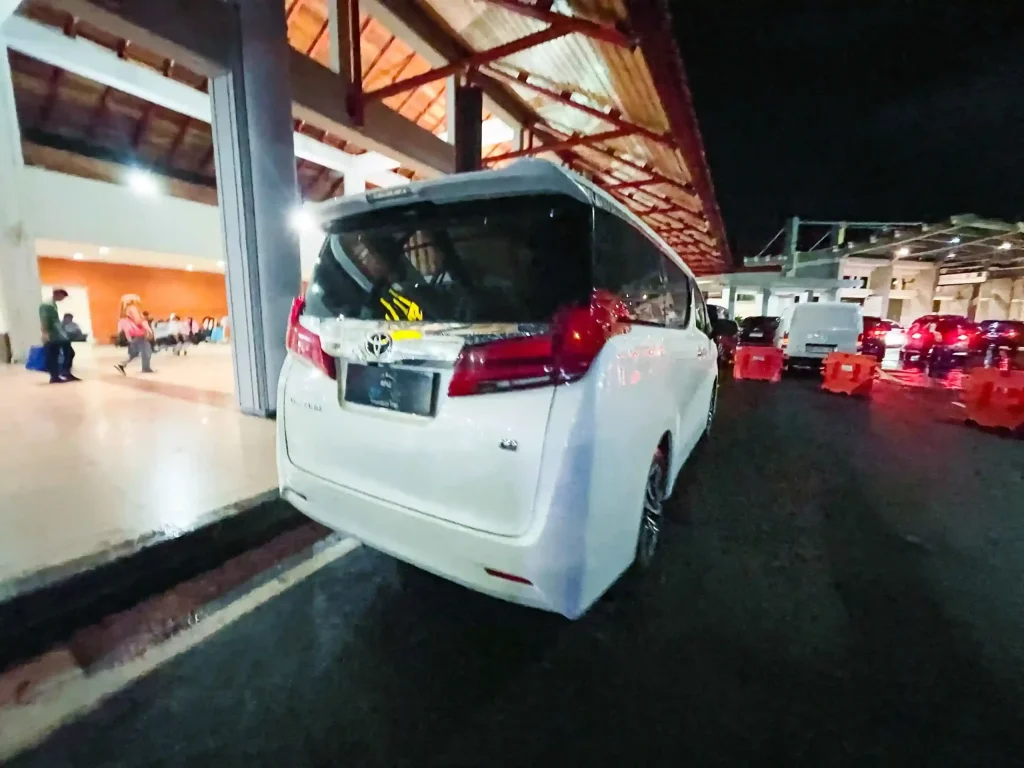
Planning a private jet technical stop in Bali comes down to three numbers: jet fuel at a USD 0.907 per litre international reference, a 3-5 business day DGCA permit window, and 60-90 minutes of realistic ground time once your slot, handler, and fuel release are pre-arranged at DPS (WADD). All figures as of August 2026.
I Gusti Ngurah Rai International Airport (IATA DPS, ICAO WADD) sits in Tuban, Kuta, Badung Regency, and Angkasa Pura I, the state-owned operator, runs it. For crews flying the long diagonal between Australia and Southeast or East Asia, DPS splits marginal legs into comfortable ones. Since November 2022, ExecuJet has operated the dedicated general aviation terminal, and the GA apron holds roughly 14 aircraft. This guide covers the route math, the cost stack, the permit nuance for non-traffic stops, and what to do when a quick uplift turns into a crew overnight.

Why do Australia-Asia crews route through Bali?
Geography does most of the work. DPS sits near the great-circle tracks linking Australia’s population centres with Singapore, Bangkok, and Hong Kong, so a stop adds few track miles for light and super-midsize jets that cannot fly the sector nonstop.
Three practical advantages follow:
- Fuel price. Jet fuel at DPS references USD 0.907 per litre for international operations according to the Logistics Capacity Assessment, as of August 2026. That undercuts several regional alternatives on the same tracks.
- Dedicated GA infrastructure. A separate GA terminal means your tech stop does not queue behind wide-body turnarounds on the commercial apron.
- A known process. Indonesia makes ground handling mandatory for foreign-registered jets at all its airports, confirmed in 2025. That rule sounds like friction, yet it guarantees a named handler owns your turnaround from chocks-on to chocks-off.
One caveat shapes everything else: Indonesia treats its airports as slot-coordinated, with PPR and slots required under 2025 guidance. A tech stop at DPS is never a drop-in. Arranging technical stop support before you file the flight plan keeps the slot, the handler, and the fuel truck synchronised to one arrival time instead of three.
Which route scenarios make DPS the right midpoint?
The table below shows common Australia-Asia pairings where DPS sits close to the direct track. Distances are indicative great-circle figures; run your own flight-planning numbers with forecast winds and alternates before committing.
| Routing | Leg into DPS (approx.) | Leg out of DPS (approx.) | Who benefits most |
|---|---|---|---|
| Sydney to Singapore | 2,500 nm | 920 nm | Super-midsize (Challenger 350, Praetor 600 class) |
| Melbourne to Bangkok | 2,390 nm | 1,610 nm | Super-midsize with full cabins |
| Perth to Hong Kong | 1,420 nm | 1,870 nm | Light jets (Phenom 300 class) |
| Brisbane to Jakarta | 2,480 nm | 540 nm | Super-midsize |
| Sydney to Phuket | 2,500 nm | 1,750 nm | Super-midsize and entry-level large cabins |
Two seasonal notes matter. Slot and apron pressure peaks in July-August and December-January, when the same 14-stand GA apron also hosts holiday traffic. The wet season, November through March, adds convective weather to arrival planning, so build alternates and fuel margins with that in mind.
What does a fuel-and-go stop at DPS cost?
Statutory charges stay small. Fuel and handling dominate the invoice.
| Item | Basis | Indicative figure (as of August 2026) |
|---|---|---|
| International landing charge | Per tonne MTOW, up to 40 t | USD 3.64 per tonne, per the published DPS charge schedule |
| Movement charge | Aircraft 0-100 t | USD 37 per movement |
| Jet fuel, international | Per litre | USD 0.907, per the Logistics Capacity Assessment |
| FBO ground handling | Market band, per movement | USD 800-2,500 depending on aircraft size |
Run the numbers for an 18-tonne super-midsize: landing charge near USD 65, movement charge USD 37, and a 3,500-litre uplift around USD 3,175 at the international reference rate. Handling sits on top, and the market band of USD 800-2,500 per movement is a commercial benchmark, not an official tariff. Even at the top of that band, the whole stop costs less than arriving at your Asian destination with minimum fuel and no options.
Do you still need permits for a non-traffic stop?
Yes, and this is where crews from less regulated regions get caught. A non-traffic stop changes the customs and immigration picture, not the permit picture. Foreign-registered aircraft still need a landing permit through the DGCA process, which currently takes 3-5 business days and asks for extensive documentation, as of August 2026. Flight approval runs through the official SMS-FSC digital system.
Plan around four fixed points:
- Landing permit via DGCA: file at least a week out; 3-5 business days is the current processing window.
- Slot and PPR: required at DPS under the 2025 guidance, matched to your permit times.
- Handler appointment: mandatory for foreign jets, so the handler confirmation belongs in your permit file, not after it.
- Fuel release: confirm volume and payment channel in advance to keep the truck on your arrival time.
If the itinerary might grow, note that Indonesia offers special domestic permits with up to 30-day validity for multi-leg itineraries, confirmed across 2025-2026. Crews who suspect a Bali tech stop could become a Bali stay should raise that possibility during the permit filing rather than re-filing later.
How much ground time should you actually plan?
Plan 60-90 minutes for a pure fuel-and-go with everyone staying onboard, assuming the slot, handler, and fuel release were locked before departure. The uplift itself sets the floor; a light jet taking 2,000 litres turns faster than a super-midsize taking 5,000.
Add time for any of the following: passengers disembarking into the terminal, which triggers arrival formalities; a crew change; catering top-up; or a peak-season arrival in July-August or December-January, when apron congestion can stretch the sequence. A 2-hour block protects the onward slot without padding the day.
Where does the crew rest if the stop becomes an overnight?
Duty-time math turns some tech stops into overnights, and Bali handles those better than most fuel stops. Hotels in Tuban and Kuta sit 10-20 minutes from the GA terminal, which keeps rest windows honest. As a concierge benchmark marked as of 2026, crew accommodation and logistics management runs from USD 150 per day, with hotels and transport billed at cost.
Decide the rest plan before departure, not on the ramp. A crew that lands at DPS with rooms booked, transport waiting, and the next-day slot already filed loses nothing to the stop. A crew that improvises can lose the onward slot and a day of the trip.
Frequently Asked Questions
How far in advance should I plan a Bali technical stop on an Australia-Asia routing?
Work backwards from the DGCA landing permit, which currently takes 3-5 business days with extensive documentation, as of August 2026. A full week gives margin for slot confirmation, handler booking, and fuel release. In the peak months of July-August and December-January, start earlier still, because the roughly 14-stand GA apron fills and slot flexibility drops.
Can passengers stay onboard during a technical stop at DPS?
On a fuel-only, non-traffic stop, passengers can normally remain onboard, which keeps customs and immigration formalities to a minimum. The mandatory ground handler still meets the aircraft and supervises the uplift. The moment anyone disembarks beyond the apron, full arrival formalities apply, so brief your passengers before top of descent and tell the handler your intention in advance.
Is Bali cheaper than Singapore or Darwin for a tech-stop fuel uplift?
Bali competes on the total stop rather than winning on every line. Jet fuel references USD 0.907 per litre international according to the Logistics Capacity Assessment, as of August 2026, and statutory landing charges stay modest at USD 3.64 per tonne up to 40 tonnes per the published DPS charge schedule. Compare fuel volume, handling band, and crew costs together, not the per-litre price alone.
Frequently asked questions
How far in advance should I plan a Bali technical stop on an Australia-Asia routing?
Work backwards from the DGCA landing permit, which currently takes 3-5 business days with extensive documentation, as of August 2026. A full week gives margin for slot confirmation, handler booking, and fuel release. In the peak months of July-August and December-January, start earlier still, because the roughly 14-stand GA apron fills and slot flexibility drops.
Can passengers stay onboard during a technical stop at DPS?
On a fuel-only, non-traffic stop, passengers can normally remain onboard, which keeps customs and immigration formalities to a minimum. The mandatory ground handler still meets the aircraft and supervises the uplift. The moment anyone disembarks beyond the apron, full arrival formalities apply, so brief your passengers before top of descent and tell the handler your intention in advance.
Is Bali cheaper than Singapore or Darwin for a tech-stop fuel uplift?
Bali competes on the total stop rather than winning on every line. Jet fuel references USD 0.907 per litre international according to the Logistics Capacity Assessment, as of August 2026, and statutory landing charges stay modest at USD 3.64 per tonne up to 40 tonnes per the published DPS charge schedule. Compare fuel volume, handling band, and crew costs together, not the per-litre price alone.
Last updated 4 August 2026
Related Articles
- Bali Private Jet Near Me’: Top 2027 Departure Hubs in Asia for Four Seasons and Remote Lands Jo
- From Jakarta to Bali Private Jet: Best 2027 Routing Options for Southeast Asian Luxury Traveler
- Booking Your Bali Private Jet: A 2027 Pre-Arrival Customs Guide
- How Much Does a Budget Bali Stay Start at in 2027? Excluding Hotels: 50/Day Breakdown
Send your flight details
Tail number, MTOW, dates, passengers and services — a written quote typically comes back within one working day.
Leave a Reply