
Bali 2027 Luxury Tourism Boom
How Bali's 2027 luxury tourism boom squeezes private jet slots at DPS: a ~14-stand GA apron, mandatory PPR, peak-season pressure, and why early coordinatio

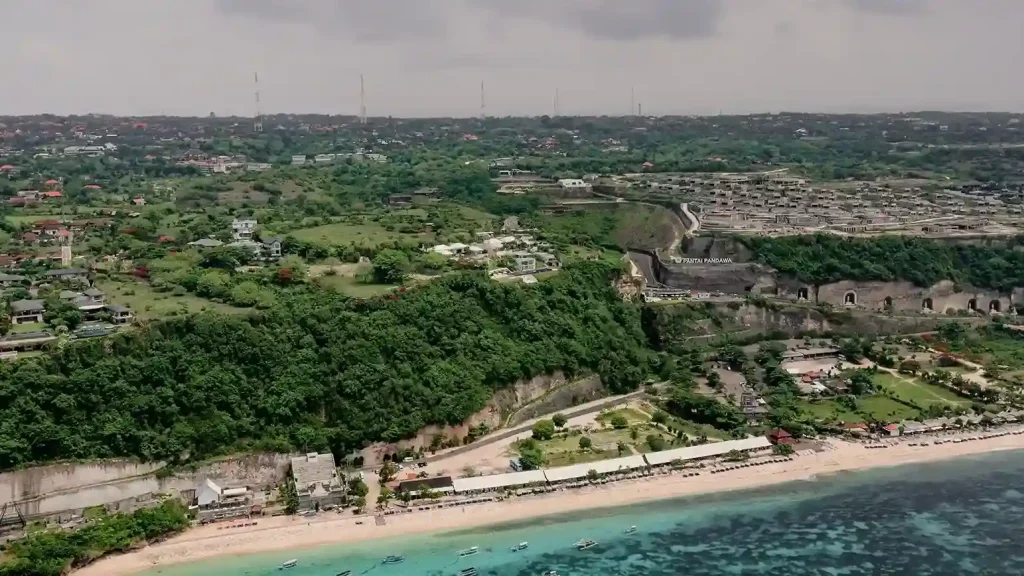
Bali’s luxury tourism climb points one direction for 2027: more private jet movements competing for the same roughly 14 general aviation stands at I Gusti Ngurah Rai Airport (DPS/WADD). Slots and PPR are already mandatory as of 2026, July–August and December–January windows are contested, and the practical answer is coordination locked months ahead, not weeks.
Call this what it is: an outlook, not a prediction. Nobody publishes a guaranteed 2027 general aviation movement count for Bali, and we will not invent one. What can be done honestly is to line up the dated 2026 signals — apron size, slot rules, permit lead times, seasonal congestion — and read what they mean for anyone planning to fly private into Denpasar next year.

What Is Pushing Private Jet Demand Into Bali Through 2027?
Two currents feed the same runway. The first is high-end tourism: villa estates in Uluwatu and Canggu, branded residences, and multi-stop itineraries that treat Bali as the gateway for Komodo and Sumba. The second is capital. Investors fly in to inspect land, hospitality projects, and marina developments, and those trips do not wait for commercial schedules.
The infrastructure record from 2025–2026 supports the demand story rather than contradicting it:
- ExecuJet has operated the dedicated GA terminal at DPS since November 2022 — a multi-year commitment to this segment by a global FBO brand.
- Indonesia confirmed in 2025 that ground handling is mandatory for foreign-registered jets at every Indonesian airport, formalizing the support chain around each arrival.
- Guidance issued in 2025 treats Indonesian airports as slot-coordinated, with PPR (prior permission required) and slots mandatory, general aviation included.
- ICAO Annex 14 Amendment 18 on ground handling becomes applicable on 26 November 2026, which will shape how DPS handlers document and staff operations through 2027.
None of that expands the apron. All of it formalizes access to it.
How Tight Is General Aviation Capacity at DPS Right Now?
The dedicated GA apron at I Gusti Ngurah Rai — in Tuban, Kuta, on the Angkasa Pura I-operated campus serving Denpasar — parks roughly 14 aircraft as of August 2026. That figure is the whole story in miniature: one apron serving an island whose luxury arrivals cluster into the same few weeks of the year.
Statutory costs are not the constraint. The published DPS charge schedule lists an international landing charge of USD 3.64 per tonne MTOW up to 40 tonnes and a movement-based charge of USD 37 per movement for aircraft up to 100 tonnes. Modest numbers. The market layer above them is where budgets actually live: commercial benchmarks as of August 2026 put FBO ground handling at USD 800–2,500 per movement depending on aircraft size, with a typical all-in arrival at USD 2,500–5,000 for a light jet and USD 6,000–12,000 for a heavy jet. Those bands are quote-based market figures, not official tariffs.
Scarcity, not price, is the binding limit. Operators who lock Bali FBO coordination early get first claim on parking stands and preferred arrival windows; operators who file late take whatever remains — which in a December peak week can mean a technical stop and a repositioning flight.
What Does Movement Growth Against Fixed Capacity Look Like?
Since no official 2027 forecast exists, the honest planning tool is a scenario table. The three cases below map demand growth against the fixed apron. These are planning scenarios grounded in 2026 conditions — not forecasts, and not official projections.
| 2027 scenario | GA movements vs 2026 | Pressure on the ~14-stand apron | What it means for slot requests |
|---|---|---|---|
| Steady state | Roughly flat | Comfortable off-peak; tight on holiday clusters | Standard lead times hold outside July–August and December–January |
| Moderate growth | Up 10–15% | Peak-day saturation across both high seasons | Preferred arrival windows go first; overnight parking becomes the fight |
| Boom case | Up 20% or more | Parking scarce for days at a stretch in peak weeks | Drop-and-reposition to Surabaya or Jakarta becomes routine for heavy jets |
Repositioning is the cost line most first-time visitors miss. When the apron fills, an aircraft can still land, deplane, and depart — but keeping it in Bali overnight becomes a separate negotiation, and sending a heavy jet to park elsewhere adds fuel burn, crew duty time, and a second set of handling fees on both ends of the shuttle.
Seasonality compounds the squeeze. Peak slot and apron pressure lands in July–August and December–January, and the wet season from November to March stacks operational friction on top of the December peak: weather alternates, fuel planning, and tighter turnaround discipline on a wet apron.
Which Rules and Lead Times Shape a 2027 Slot Request?
The regulatory clock runs on its own schedule, boom or no boom. As of August 2026, the working picture looks like this:
| Requirement | Working reality (as of August 2026) |
|---|---|
| Landing/overflight permit | Via the DGCA process; currently 3–5 business days with extensive documentation |
| Flight security clearance (FSC) | Filed through the official SMS-FSC digital system |
| Slot + PPR | Mandatory under 2025 guidance; request as soon as the itinerary is firm |
| Multi-leg domestic flying | Special domestic permits with up to 30-day validity, confirmed 2025–2026 |
| Ground handling | Mandatory for foreign jets at all Indonesian airports, confirmed 2025 |
Two details in that table matter for 2027 specifically. First, the permit clock and the slot clock run in parallel but do not talk to each other: a granted landing permit does not create a parking stand, and a confirmed slot does not process a permit. Second, Annex 14 Amendment 18 landing in late November 2026 means handlers will be working under a fresh compliance regime during the very first peak season of 2027 — and new compliance regimes reward the operators whose paperwork arrives complete and early.
What Should Owners and Operators Actually Do Before 2027?
Five moves, in order of leverage:
- Fix peak-window itineraries early. For July–August or December–January 2027 travel, firm dates two to three months out buy far more than they cost in flexibility.
- File permits, slots, and PPR as one coordinated package. Separate tracks, one deadline. Starting them together is what protects the arrival date.
- Budget against the market layer, not the statutory layer. The USD 37 movement charge is noise; the USD 2,500–5,000 light-jet arrival band, per commercial benchmarks as of August 2026, is the real line item.
- Pre-plan the reposition case. Know before departure where the aircraft goes if overnight parking is refused, and what that leg costs in fuel and crew time.
- Treat the wet season as an operations variable. November-to-March weather planning belongs in the December slot conversation, not in the cockpit on arrival day.
The boom is real enough to plan for and too uncertain to promise. A fixed apron of roughly 14 stands, mandatory slots and PPR, formalized handling rules, and a new ICAO compliance baseline arriving 26 November 2026 — read together, the record says one thing clearly: through 2027, the cost of arriving in Bali unprepared rises faster than the cost of arriving at all.

Frequently Asked Questions
Will private jet slots at Bali DPS actually run out during the 2027 peak season?
Run out entirely, unlikely; get scarce on specific peak days, very plausible. The GA apron holds roughly 14 aircraft as of August 2026, and July–August and December–January already see saturated parking. Expect approved slots with compromises: adjusted arrival times, limited overnight parking, or drop-and-reposition instructions. The earlier the request, the more of your preferred plan survives.
How far ahead should I request a DPS slot and parking for July–August or December–January 2027?
As soon as the itinerary is firm — for 2027 peak weeks, that reasonably means two to three months out, with the DGCA landing permit itself needing 3–5 business days as of August 2026. Slot, PPR, parking, and permit files move on separate tracks, so starting them together is what actually protects the date.
Does the luxury tourism boom change permit lead times for foreign private jets into Bali?
The published process has not changed: DGCA landing permits run 3–5 business days as of August 2026, with FSC filed through the official SMS-FSC digital system. What the boom changes is queue behavior around it — busier peak periods leave less room for resubmissions, so incomplete documentation costs more calendar time in 2027 than in quieter years.
Frequently asked questions
Will private jet slots at Bali DPS actually run out during the 2027 peak season?
Run out entirely, unlikely; get scarce on specific peak days, very plausible. The GA apron holds roughly 14 aircraft as of August 2026, and July–August and December–January already see saturated parking. Expect approved slots with compromises: adjusted arrival times, limited overnight parking, or drop-and-reposition instructions. The earlier the request, the more of your preferred plan survives.
How far ahead should I request a DPS slot and parking for July–August or December–January 2027?
As soon as the itinerary is firm — for 2027 peak weeks, that reasonably means two to three months out, with the DGCA landing permit itself needing 3–5 business days as of August 2026. Slot, PPR, parking, and permit files move on separate tracks, so starting them together is what actually protects the date.
Does the luxury tourism boom change permit lead times for foreign private jets into Bali?
The published process has not changed: DGCA landing permits run 3–5 business days as of August 2026, with FSC filed through the official SMS-FSC digital system. What the boom changes is queue behavior around it — busier peak periods leave less room for resubmissions, so incomplete documentation costs more calendar time in 2027 than in quieter years.
Last updated 4 August 2026

Send your flight details
Tail number, MTOW, dates, passengers and services — a written quote typically comes back within one working day.
Leave a Reply