
Using Bali as a Hub for Multi-Leg Private Jet Trips in
How to run Bali as your private jet hub for Komodo and Raja Ampat: a 7-day itinerary, permit strategy per leg, and parking at DPS between flights.

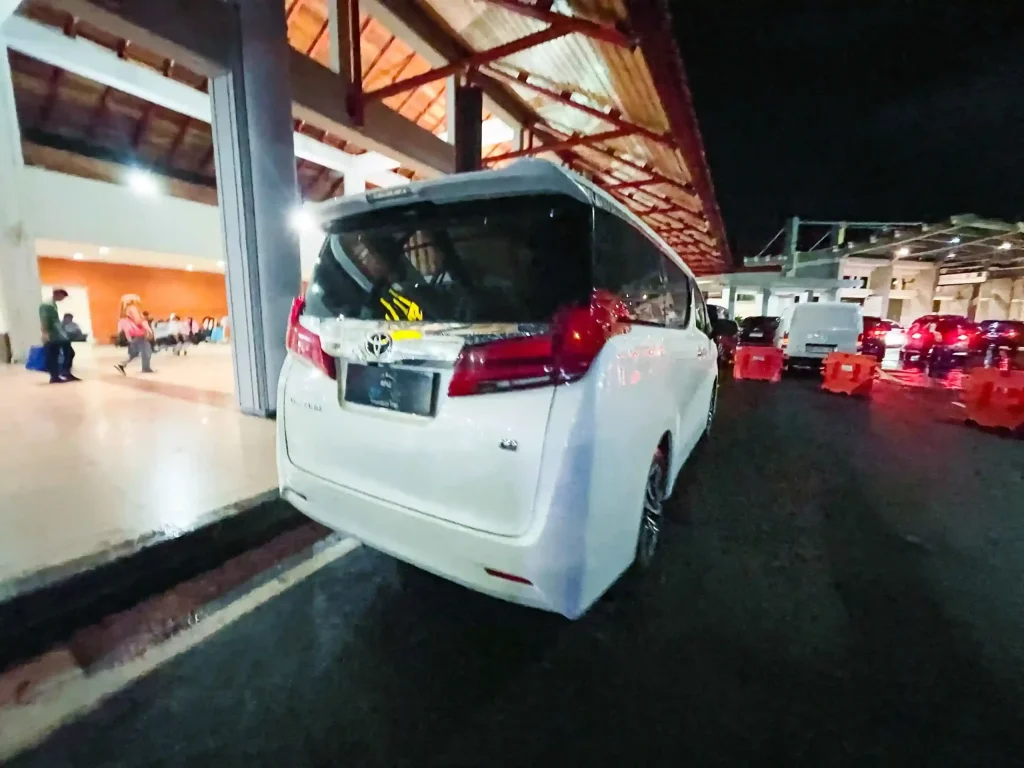
Bali is the natural hub for multi-leg private jet trips across Indonesia because DPS (WADD) pairs an international gateway with a dedicated general aviation apron and a resident GA terminal. Clear CIQ once on arrival, then fly Komodo, Sumba, or Raja Ampat legs under a special domestic permit valid up to 30 days, parking at Bali between flights.
That single sentence hides real architecture, though. A Bali–Komodo–Raja Ampat rotation touches three or four airports, two permit regimes, per-leg flight approvals, and a GA apron at DPS that holds roughly 14 aircraft as of August 2026. Owners who treat the trip as one filed itinerary — rather than four separate flights — save days of paperwork and avoid the classic mid-trip parking scramble.

Why Does Bali Work as the Hub for Island-Hopping by Jet?
Three reasons: geography, infrastructure, and permit mechanics.
Geographically, I Gusti Ngurah Rai International Airport sits in Tuban, Badung Regency, within practical range of everything an Indonesian jet itinerary usually wants. Labuan Bajo, the gateway to Komodo National Park, is under an hour’s flying for most jets. Sumba’s airfields sit closer still. Sorong, the jump-off point for Raja Ampat, is around three hours east.
On infrastructure, DPS — operated by state-owned Angkasa Pura I — has what the downline airports lack: that dedicated GA apron with space for roughly 14 aircraft, plus a general aviation terminal that ExecuJet has operated since November 2022. Labuan Bajo and Sorong work fine for a drop-and-go, but neither offers comparable GA parking depth or passenger facilities.
Permit mechanics seal the case. Indonesia issues special domestic permits with validity of up to 30 days for multi-leg itineraries, confirmed in 2025–2026 guidance. Enter the country once through DPS on an international landing permit, and your internal legs can then run under a single domestic authorization instead of separate applications per flight. Most operators bundle the entire file — international permit, domestic permit, per-leg flight approvals, slots, and handlers at every stop — into one permit-plus-handling package so that no leg gets filed in isolation.
One rule applies everywhere: ground handling is mandatory for foreign-registered jets at all Indonesian airports, confirmed in 2025. That means a handler appointment at every stop on the rotation, not just at Bali.
What Does a 7-Day Bali–Komodo–Raja Ampat Itinerary Look Like?
Here is a working template built around a light-to-midsize jet, same party throughout, entering and exiting Indonesia through DPS.
| Day | Leg | Permits and filings | Slot and parking notes |
|---|---|---|---|
| 1 | International arrival → DPS | International landing permit via the DGCA process (3–5 business days’ processing as of August 2026); inbound FSC via SMS-FSC | Airport slot plus PPR; multi-day GA apron parking requested with the initial filing |
| 2 | No flight — Bali | None | Aircraft holds its GA apron position; confirm parking in writing during peak months |
| 3 | DPS → Labuan Bajo (Komodo) | Special domestic permit covering all internal legs; per-leg FSC | Morning slot preferred; Labuan Bajo apron is limited, so request parking early or plan a day-return alternative |
| 4 | No flight — Komodo cruising | None | Jet holds Labuan Bajo parking; fallback is repositioning to DPS |
| 5 | Labuan Bajo → Sorong (Raja Ampat gateway) | Same domestic permit; fresh FSC for the sector | Party continues to Raja Ampat by boat; jet parks at Sorong or ferries back |
| 6 | Sorong → DPS | Same domestic permit; per-leg FSC | PPR back into the DPS GA apron; re-confirm parking through departure |
| 7 | DPS → international departure | Departure sector under the original international permit window; outbound FSC | Departure slot plus outbound CIQ coordination |
Two structural choices define this plan. First, every domestic leg sits on one 30-day special domestic permit, filed together. Second, the jet overnights at DPS wherever possible, because Bali is where GA parking actually exists.
How Should You Structure Permits Leg by Leg?
Think of the paperwork as five layers, each with its own clock:
- International entry and exit. The overflight and landing permit runs through the DGCA process, which as of August 2026 takes 3–5 business days with extensive documentation. This layer anchors your whole planning timeline.
- Domestic legs. One special domestic permit covering every internal sector, with validity of up to 30 days under 2025–2026 guidance. File the full routing at once; bolting on legs mid-trip restarts clocks.
- Per-sector flight approvals. An FSC filed through the official SMS-FSC digital system for each sector. A seven-day rotation can mean six or more filings.
- Slots and PPR. Indonesia treats its airports as slot-coordinated with PPR required, per 2025 guidance. Each airport clears separately — a granted DPS slot says nothing about Labuan Bajo matching it.
- Ground handling. Mandatory for foreign jets at every Indonesian airport. Confirm handlers at all stops before permits go in, because handler details feed the applications.
The sequencing matters more than any single item. Handlers first, then permits, then slots, then per-leg FSC filings — run in parallel where the systems allow it.
Where Should the Jet Sit Between Legs?
Parking strategy is the decision most owners underestimate. Three patterns cover nearly every trip:
| Strategy | How it works | Best when | Trade-off |
|---|---|---|---|
| Base at DPS, day-return legs | Jet drops the party downline and ferries back to Bali each time | Peak season, when Labuan Bajo or Sorong aprons are full | Every extra movement adds statutory and handling cost |
| Park downline | Jet overnights at Labuan Bajo or Sorong with the party | Shoulder season, short stays, parking confirmed in advance | Scarce apron space and thinner GA support than Bali |
| Hybrid | Jet parks downline where confirmed, ferries to DPS where not | Longer rotations mixing busy and quiet airports | Needs per-airport parking confirmation before filing |
The cost math favors whichever pattern keeps total movements lowest. Per the published DPS charge schedule, the international landing charge is USD 3.64 per tonne MTOW up to 40 tonnes, with a USD 37 movement-based charge for aircraft up to 100 tonnes. Commercial handling adds far more: USD 800–2,500 per movement depending on aircraft size, according to market benchmarks rather than official tariffs. Day-returning a jet doubles those movements, so model the ferry-back pattern before defaulting to it.
When Should You Lock Slots, Permits, and Parking?
Earlier than the raw permit timeline suggests. Slots and apron space at DPS come under their heaviest pressure in July–August and December–January, and downline aprons tighten at the same time. The wet season from November to March adds an operational wrinkle on eastern legs, where afternoon weather over Flores and Southwest Papua can push departure windows earlier in the day.
A clean multi-leg file across three or four airports deserves two to three weeks of lead time: the DGCA permit itself takes 3–5 business days as of August 2026, but slot confirmations, downline parking, and handler coordination rarely land in one pass. Build the itinerary, file it as one package, and keep one fallback parking plan per island.
Frequently Asked Questions
Can a foreign-registered jet fly domestic legs between Bali, Komodo, and Raja Ampat?
Yes, within limits. Indonesia issues special domestic permits with validity of up to 30 days for multi-leg itineraries, confirmed in 2025–2026 guidance. The permit covers your own party’s private legs, not domestic charter sales. File every leg on one application, appoint a licensed ground handler at each airport, and submit an FSC per sector through the SMS-FSC system.
Can my jet stay parked at Bali between the legs of an island-hopping trip?
Usually, but never assume it in peak months. The dedicated GA apron at DPS holds roughly 14 aircraft as of August 2026, and July–August and December–January bring the heaviest pressure on parking and slots. Request multi-day parking with your PPR from the start, and hold a fallback — a day-return schedule or repositioning — in case the apron caps out during your dates.
How far ahead should I plan a Bali–Komodo–Raja Ampat multi-leg jet trip?
Two to three weeks is a comfortable working window. DGCA landing permits currently take 3–5 business days as of August 2026, but a multi-leg file also needs a domestic permit, per-leg FSC filings, slots and PPR at three or four airports, and handler confirmations at every stop. Peak-season trips in July–August or December–January deserve the full three weeks.
Frequently asked questions
Can a foreign-registered jet fly domestic legs between Bali, Komodo, and Raja Ampat?
Yes, within limits. Indonesia issues special domestic permits with validity of up to 30 days for multi-leg itineraries, confirmed in 2025–2026 guidance. The permit covers your own party’s private legs, not domestic charter sales. File every leg on one application, appoint a licensed ground handler at each airport, and submit an FSC per sector through the SMS-FSC system.
Can my jet stay parked at Bali between the legs of an island-hopping trip?
Usually, but never assume it in peak months. The dedicated GA apron at DPS holds roughly 14 aircraft as of August 2026, and July–August and December–January bring the heaviest pressure on parking and slots. Request multi-day parking with your PPR from the start, and hold a fallback — a day-return schedule or repositioning — in case the apron caps out during your dates.
How far ahead should I plan a Bali–Komodo–Raja Ampat multi-leg jet trip?
Two to three weeks is a comfortable working window. DGCA landing permits currently take 3–5 business days as of August 2026, but a multi-leg file also needs a domestic permit, per-leg FSC filings, slots and PPR at three or four airports, and handler confirmations at every stop. Peak-season trips in July–August or December–January deserve the full three weeks.
Last updated 4 August 2026
Send your flight details
Tail number, MTOW, dates, passengers and services — a written quote typically comes back within one working day.
Leave a Reply