
Bali DPS 2027 Landing Permit Lead Time and Documentation
Bali DPS 2027 landing permit outlook: the 3-5 business day DGCA lead time, a 12-item documentation checklist, SMS-FSC digital filing, and what may compress


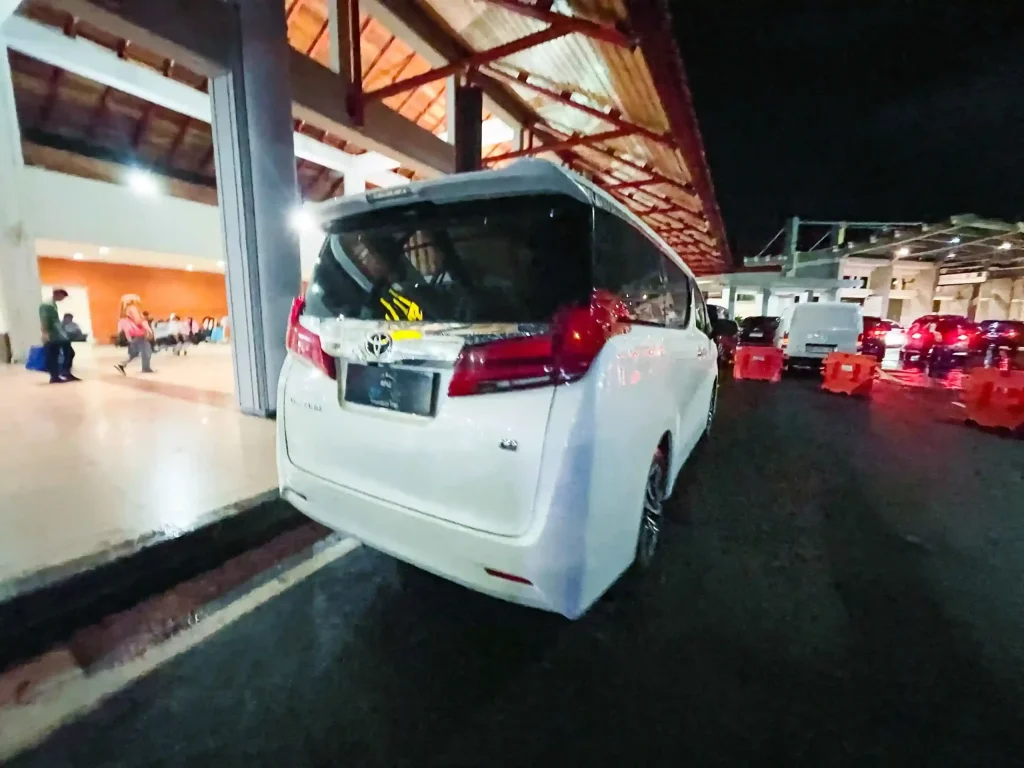
As of August 2026, a foreign-registered jet needs 3-5 business days for a landing permit through the DGCA process before it can touch down at Bali’s I Gusti Ngurah Rai International Airport (DPS/WADD). For 2027, plan on the same window, file FSC through the official SMS-FSC digital system, and build the documentation checklist below into your dispatch workflow.
One honest caveat first: this is an outlook, not a prediction. Every figure here comes from signals dated 2026 — the current DGCA processing window, the SMS-FSC digital filing system already in daily use, and ICAO Annex 14 Amendment 18 becoming applicable on 26 November 2026. Where 2027 could plausibly differ, we say so; where it probably won’t, we say that too.
What Is the Landing Permit Lead Time for Bali DPS Right Now?
Under the current DGCA process, landing permits for foreign-registered aircraft take 3-5 business days and require extensive documentation — that is the confirmed position as of August 2026. Two adjacent rules shape the real timeline. First, per 2025 guidance, Indonesia treats its airports as slot-coordinated: you need both an airport slot and PPR, and the permit dossier should match that slot data line for line. Second, ground handling is mandatory for foreign jets at all Indonesian airports, confirmed in 2025, so a handler appointment letter belongs in your file from day one, not as an afterthought.
The 3-5 day figure is a processing window, not a planning window. It starts when your application is complete, and it runs on Jakarta business days — an application landing on a Friday afternoon before an Indonesian public holiday effectively loses two to three calendar days before the clock starts. If you are new to the framework, our guide to landing permits for Indonesia walks through the full DGCA sequence, including overflight approvals for legs that transit Indonesian airspace without landing.
Capacity adds its own pressure at DPS specifically. The dedicated general aviation apron holds roughly 14 aircraft, and slot demand peaks in July-August and December-January. A permit approved in three days does not help if the apron confirmation lags behind it, which is why we file slot, PPR, and permit requests in parallel rather than in sequence.
Which Documents Does a 2027 DPS Permit Application Need?
Nothing in the dated 2026 signals suggests the document list itself will shrink for 2027 — the realistic change is how it gets submitted, covered below. This is the working checklist our permit desk prepares for a foreign-registered jet inbound to DPS. Save it, copy it into your ops manual, run it before every application.
| # | Document | Notes for DPS filings |
|---|---|---|
| 1 | Certificate of Registration | Current, matching the exact tail number on the application |
| 2 | Certificate of Airworthiness | Validity must cover the entire itinerary, not just the arrival date |
| 3 | AOC or proof of private/non-commercial status | Determines which permit track DGCA applies |
| 4 | Insurance certificate | Third-party liability; check territorial coverage includes Indonesia |
| 5 | Noise certificate | Requested routinely for jet operations |
| 6 | Crew licences and medicals | Full crew list with licence numbers and expiry dates |
| 7 | Crew and passenger passport copies | Feeds CIQ processing on arrival at the Tuban GA terminal |
| 8 | Full itinerary with schedule | Dates, times in UTC and local, routing, alternates |
| 9 | Purpose of flight statement | Private, corporate, medevac — be specific and consistent |
| 10 | Operator and agent details | Who operates the aircraft and who represents it in Indonesia |
| 11 | Ground handler appointment | Mandatory for foreign jets at all Indonesian airports (confirmed 2025) |
| 12 | Slot and PPR confirmations | Filed in parallel; details must match the permit application exactly |
Two habits prevent most rejections. Keep every date, registration mark, and routing identical across all twelve items — mismatches between the itinerary and the slot request are the single most common reason an application bounces back and the 3-5 day clock restarts. And scan expiry dates against the last day of the trip, not the first; an insurance certificate that lapses mid-stay is a rejection waiting to happen.
How Does SMS-FSC Digital Filing Fit Into the Sequence?
FSC filing already runs through the official SMS-FSC digital system as of August 2026, and that matters for 2027 planning because it is the clearest proof that Indonesian flight approvals can move onto digital rails without the process breaking. Digital submission gives you a timestamped record, cuts the courier-and-fax era ambiguity about when an application actually entered the queue, and makes resubmission after a correction a same-day event rather than a lost week.
For multi-leg trips inside Indonesia — say DPS to Lombok to Labuan Bajo and back — the special domestic permit with up to 30-day validity, confirmed in 2025-2026, remains the tool that saves the most calendar time. One approval covers the itinerary window instead of forcing a fresh application per leg. If your 2027 schedule includes domestic repositioning, request that permit type at the outset and design the itinerary around its validity period.
Where Could 2027 Lead Times Actually Compress?
Here is the honest read. The strongest dated signal is ICAO Annex 14 Amendment 18 on ground handling, applicable from 26 November 2026, which shapes 2027 compliance at DPS. That amendment standardizes ground handling oversight — and standardized handling data is exactly the kind of input that permit and slot systems can consume digitally instead of by email chain. Combined with SMS-FSC proving the digital-filing model works, the plausible 2027 scenario is not a shorter official window but fewer restarts: cleaner data in, fewer mismatches, fewer bounced applications.
| Scenario for 2027 | Likelihood based on 2026 signals | What it would mean for you |
|---|---|---|
| Official window drops below 3-5 business days | Low — no dated signal points to a rule change | Keep planning on 3-5 days plus buffer |
| More permit steps move to digital submission | Moderate — SMS-FSC sets the precedent | Faster corrections, timestamped queues |
| Stricter handling documentation under Annex 14 Amd 18 | High — applicable 26 November 2026 | Handler appointment quality matters more, not less |
| Peak-season slot pressure eases at DPS | Low — apron still holds roughly 14 aircraft | File earlier for July-August and December-January |
Treat anything you read promising a 24-hour Indonesian landing permit in 2027 with suspicion. Nothing in the current framework supports it, and operators who plan around rumor instead of the published process are the ones parked at an alternate.
How Should You Plan a 2027 DPS Trip Today?
Work backward from wheels-down. For a single international arrival in a normal week, submit the complete dossier 7-10 business days out — the 3-5 day DGCA window plus a correction buffer. For peak weeks in July-August or December-January, extend that to 14 business days and lock the slot first, because apron space, not paperwork, becomes the binding constraint. For multi-leg domestic itineraries, apply for the 30-day special domestic permit and file everything in one pass.
And keep one file of record. The operators who clear DPS fastest in our experience are not the ones with the biggest fleets — they are the ones whose registration, insurance, crew, slot, and itinerary data agree with each other to the letter, submitted once, correctly, with days to spare.

Frequently Asked Questions
Will the 3-5 business day DGCA lead time get shorter in 2027?
There is no dated signal pointing to a shorter official window. The realistic 2027 improvement is fewer restarts: SMS-FSC digital filing and post-Amendment 18 handling standards should reduce bounced applications caused by mismatched data. Plan on 3-5 business days plus a correction buffer, and treat any promise of faster approvals as unverified until DGCA publishes a change.
Can one permit cover a multi-leg Indonesian itinerary in 2027?
Yes, within limits confirmed in 2025-2026: special domestic permits carry up to 30-day validity, so one approval can cover repositioning legs between Indonesian airports inside that window. Your international arrival and departure still run through the standard DGCA landing permit process. Structure the itinerary around the validity period and request the domestic permit at the same time as the main application.
Which documentation mistake most often delays a DPS landing permit?
Data mismatches between the permit application and the slot or PPR request — a different time in UTC, a transposed registration mark, an itinerary date that shifted after the slot was filed. Each mismatch can bounce the application and restart the 3-5 business day clock. Second place goes to certificates that expire mid-trip; validate every expiry date against your final departure day, not arrival.
Frequently asked questions
Will the 3-5 business day DGCA lead time get shorter in 2027?
There is no dated signal pointing to a shorter official window. The realistic 2027 improvement is fewer restarts: SMS-FSC digital filing and post-Amendment 18 handling standards should reduce bounced applications caused by mismatched data. Plan on 3-5 business days plus a correction buffer, and treat any promise of faster approvals as unverified until DGCA publishes a change.
Can one permit cover a multi-leg Indonesian itinerary in 2027?
Yes, within limits confirmed in 2025-2026: special domestic permits carry up to 30-day validity, so one approval can cover repositioning legs between Indonesian airports inside that window. Your international arrival and departure still run through the standard DGCA landing permit process. Structure the itinerary around the validity period and request the domestic permit at the same time as the main application.
Which documentation mistake most often delays a DPS landing permit?
Data mismatches between the permit application and the slot or PPR request — a different time in UTC, a transposed registration mark, an itinerary date that shifted after the slot was filed. Each mismatch can bounce the application and restart the 3-5 business day clock. Second place goes to certificates that expire mid-trip; validate every expiry date against your final departure day, not arrival.
Last updated 4 August 2026
Related Articles
- Bali Private Jet Near Me’: Top 2027 Departure Hubs in Asia for Four Seasons and Remote Lands Jo
- From Jakarta to Bali Private Jet: Best 2027 Routing Options for Southeast Asian Luxury Traveler
- Booking Your Bali Private Jet: A 2027 Pre-Arrival Customs Guide
- How Much Does a Budget Bali Stay Start at in 2027? Excluding Hotels: 50/Day Breakdown
Send your flight details
Tail number, MTOW, dates, passengers and services — a written quote typically comes back within one working day.
Leave a Reply