
Bali Private Jet Technical Stop Handling at DPS (WADD)
Technical stop handling at Bali DPS (WADD): non-traffic landing permits, slot fitting, fuel uplift referenced at USD 0.907/L and 60–90 minute turnarounds.

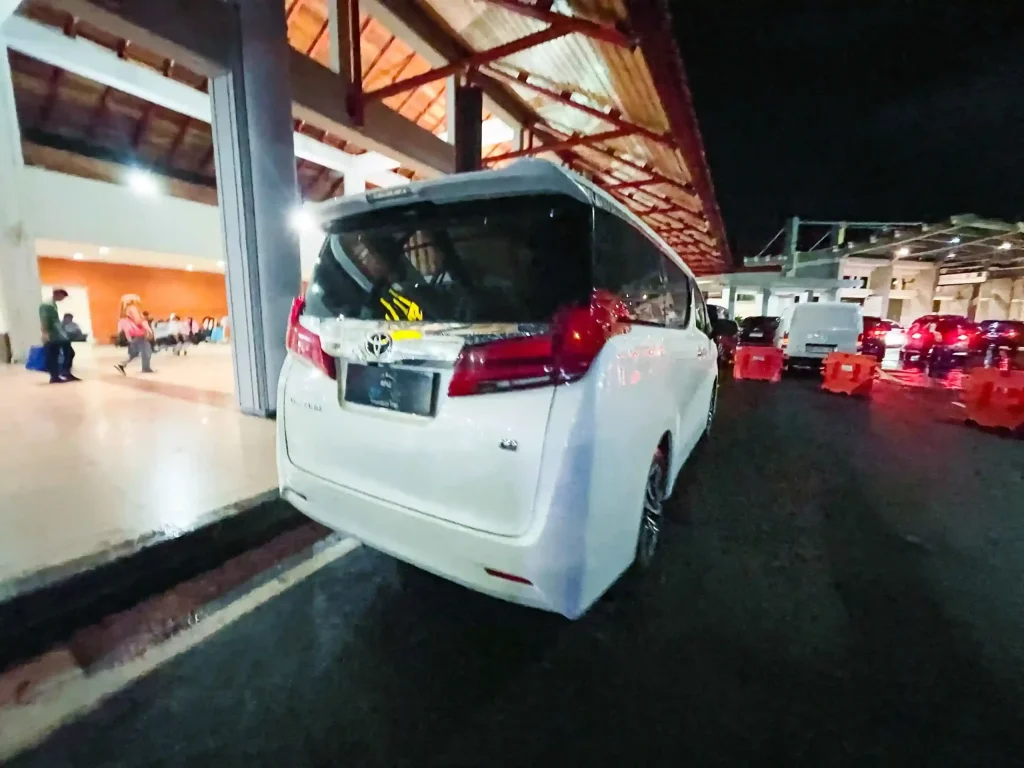
A technical stop at Bali’s I Gusti Ngurah Rai International Airport (DPS/WADD) requires a landing permit, a coordinated slot, and mandatory ground handling — even when nobody leaves the aircraft. Bali Private Jet arranges permit filing, slot fitting, and fuel uplift referenced at USD 0.907 per litre international, with fuel-and-go turnarounds of 60–90 minutes, as of August 2026.
A “non-traffic” stop sounds administratively light. In Indonesia it is not — but sequenced correctly, DPS is one of the most useful tech-stop fields between Australia and mainland Asia.

Why route a technical stop through Bali?
Perth–Hong Kong, Melbourne–Singapore, Sydney–Bangkok: for light and midsize jets that cannot fly those legs nonstop, Bali sits close to the midpoint with a long runway, 24-hour operations, and a dedicated general aviation setup.
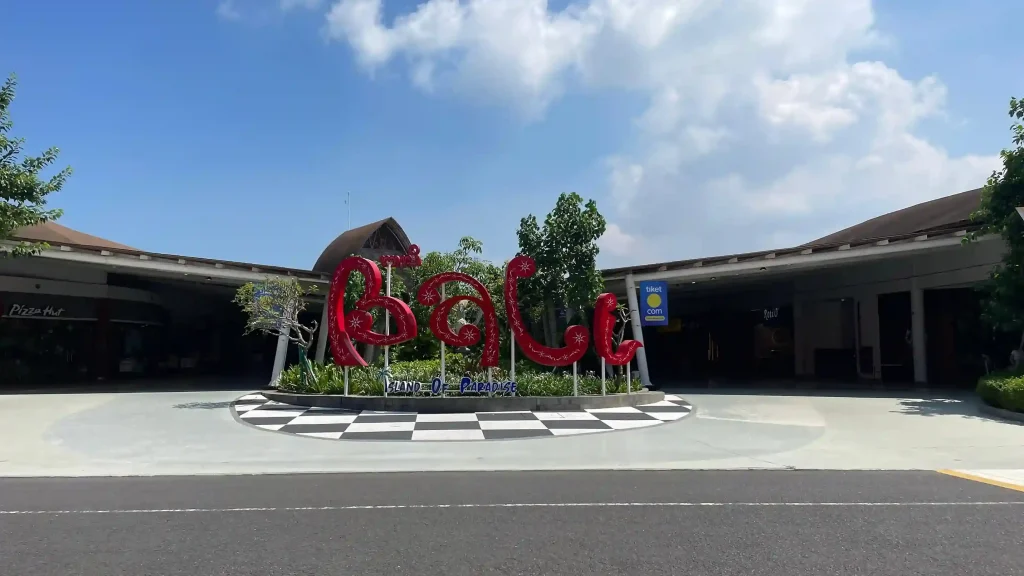
DPS — in Tuban, Kuta, Badung Regency, operated by state-owned Angkasa Pura I — has a GA apron holding roughly 14 aircraft, and ExecuJet has operated the GA terminal since November 2022. Crews get an FBO-standard environment, not a detour through the commercial terminal.
Fuel economics help too. According to the Logistics Capacity Assessment, jet fuel at DPS runs USD 0.907 per litre for international operations and USD 1.00 domestic, as of August 2026.
What permits does a non-traffic stop at Bali require?
Indonesia does not waive paperwork because passengers stay seated. Three approvals stack up:
- Landing permit through the DGCA process — currently 3–5 business days with extensive documentation (registration, insurance, crew licences, full routing), per 2025–2026 guidance.
- Flight schedule clearance (FSC) filed via the official SMS-FSC digital system.
- Slot and PPR — Indonesia treats its airports as slot-coordinated, with PPR and slots required under 2025 guidance.
Ground handling by a licensed provider is mandatory for foreign-registered jets at all Indonesian airports, confirmed in 2025. Bali Private Jet coordinates with licensed ground handlers and the authorities through official procedures; we are not an airline, hold no AOC, and have no affiliation with TNI AU or any government institution.
Multi-leg tip: special domestic permits with up to 30-day validity exist for itineraries touching several Indonesian airports, confirmed across 2025–2026. If Bali is one leg of an Indonesian sequence, tell us early — the permit strategy changes.
How long does a technical stop at DPS take?
| Scenario | Realistic minimum ground time | Permit basis | CIQ required? |
|---|---|---|---|
| Fuel-and-go, crew airside | 60–90 minutes | Non-traffic landing permit, 3–5 business days’ lead | No — confirmed case by case with the handler |
| Fuel plus catering and documents | 90–150 minutes | Non-traffic landing permit | No, if everyone remains airside |
| Crew change at DPS | 3–4 hours | Landing permit plus crew documentation | Yes — arriving and departing crew clear CIQ |
| Overnight crew rest | 12–24 hours | Landing permit; parking subject to apron space | Yes — crew clear immigration to reach hotels |
| Converted to traffic stop | Standard arrival flow | Full landing permit | Yes — full CIQ for all passengers |
Lead time matters more than ground time. The permit takes 3–5 business days; slots tighten sharply in July–August and December–January, when apron pressure peaks. The wet season from November to March rarely closes the field, but it does shape alternate and holding-fuel planning.
What does a technical stop at DPS cost?
The statutory side is published and modest. Per the published DPS charge schedule, the international landing charge is USD 3.64 per tonne MTOW up to 40 tonnes; from 41–100 tonnes the formula is USD 145.6 plus USD 4.19 per tonne over 41 tonnes; above 100 tonnes it is USD 397.0 plus USD 4.72 per tonne over 100 tonnes. Movement-based charges add USD 37 per movement up to 100 tonnes and USD 93 from 100–200 tonnes.
The commercial layer is where quotes vary. These are market bands, not official tariffs:
| Item | Benchmark, as of August 2026 | Basis |
|---|---|---|
| Jet fuel, international uplift | USD 0.907 per litre | Logistics Capacity Assessment |
| Landing charge, 20 t light jet | About USD 73 | Published DPS schedule at USD 3.64 per tonne |
| Movement charge, under 100 t | USD 37 | Published DPS schedule |
| FBO ground handling | USD 800–2,500 per movement | Market band, by aircraft size |
| CIQ handling, if crew clear | USD 150–400 per arrival | Market band |
| Permit, FSC and slot coordination | Quoted per routing | Bali Private Jet, quote-based |
| Crew accommodation and logistics | USD 150 per day, hotels at cost | Concierge rate, as of 2026 |
For scale: full arrival packages at DPS typically total USD 2,500–5,000 for a light jet and USD 6,000–12,000 for a heavy jet in market terms. A pure fuel-and-go usually lands below the light-jet band because passenger services and CIQ drop out — fuel volume becomes the biggest line.
How does booking a tech stop work?
- Send the routing. Tail number, MTOW, origin and destination, ETA/ETD window, estimated uplift, crew count — WhatsApp 6281139414563.
- Feasibility within 24 hours. We check slot and apron fit with the licensed handler and return a written, itemised quote.
- Permits filed. Landing permit lodged through the DGCA process (allow 3–5 business days); FSC submitted via the SMS-FSC system. Documents are collected once and reused for the return leg.
- Confirmation pack issued. Slot confirmation, handler details, fuel release, and a named ops contact go to your dispatcher.
- Execution. The handler meets the aircraft on the GA apron, uplift proceeds against the release, CIQ engages only if someone clears, and you are airborne inside the agreed window.
> Plan a Bali technical stop
> Route the request to the BD Juara Holding Group ops desk: WhatsApp 6281139414563 or sales@balipremiumtrip.com. Feasibility answer inside 24 hours; permit filing starts the moment documents arrive. Quotes itemise statutory charges separately from market-band service fees.
What if the crew needs rest, not just fuel?
A crew-rest stop changes the shape of the job. Crew clear immigration — CIQ handling sits in the USD 150–400 market band — and we manage hotels near Tuban and Kuta plus ground transport under crew logistics support at USD 150 per day, hotels and transport passed through at cost, as of 2026.
Parking is the constraint. With roughly 14 GA stands, overnight space in July–August and December–January goes early; we request parking with the slot, never after.
For 2027 planning: ICAO Annex 14 Amendment 18 on ground handling becomes applicable on 26 November 2026, and handlers at DPS are aligning procedures ahead of it. Expect documentation discipline to tighten, not loosen.
If your passengers want to leave the airport, the stop is no longer technical — it becomes a standard arrival, handled separately with fast-track CIQ and onward transfers.
Frequently Asked Questions
Do I need a landing permit for a technical stop in Bali if no one disembarks?
Yes. Indonesia requires a landing permit through the DGCA process for foreign-registered aircraft even on non-traffic stops, with 3–5 business days’ processing and extensive documentation as of August 2026. The flight schedule clearance is filed separately through the official SMS-FSC digital system. Plan permits first; slot and fuel fall in behind them.
What is the minimum ground time for a fuel-and-go at DPS?
Around 60–90 minutes when everything is pre-coordinated: slot confirmed, handler briefed, fuel release issued before arrival, crew staying airside. Uplift volume drives the spread — a large uplift on a heavy jet takes longer than topping off a light jet. Uncoordinated arrivals wait far longer, especially in the July–August and December–January peaks.
Can the crew stay on board during a Bali technical stop?
Crews can normally remain airside during a fuel-and-go, which keeps CIQ formalities out of the stop — subject to case-by-case confirmation with the licensed handler and the authorities. The moment anyone clears immigration, CIQ handling applies, benchmarked at USD 150–400 per arrival in market terms as of August 2026.
How much does a technical stop at Bali DPS cost overall?
Statutory charges are modest — a 20-tonne jet pays about USD 73 in landing charges at the published USD 3.64 per tonne rate, plus a USD 37 movement charge. The bigger variables are fuel volume at USD 0.907 per litre international and handling in the USD 800–2,500 market band. Every quote is itemised, as of August 2026.
Can a fuel stop turn into an overnight crew-rest stop?
Yes, if apron space allows. The GA apron holds roughly 14 aircraft, so overnight parking in peak months needs an early request. Crew clear CIQ, and we arrange hotels and transport under crew logistics support from USD 150 per day, costs passed through at cost, as of 2026. Passengers leaving the airport changes the permit basis.
Frequently asked questions
Do I need a landing permit for a technical stop in Bali if no one disembarks?
Yes. Indonesia requires a landing permit through the DGCA process for foreign-registered aircraft even on non-traffic stops, with 3–5 business days’ processing and extensive documentation as of August 2026. The flight schedule clearance is filed separately through the official SMS-FSC digital system. Plan permits first; slot and fuel fall in behind them.
What is the minimum ground time for a fuel-and-go at DPS?
Around 60–90 minutes when everything is pre-coordinated: slot confirmed, handler briefed, fuel release issued before arrival, crew staying airside. Uplift volume drives the spread — a large uplift on a heavy jet takes longer than topping off a light jet. Uncoordinated arrivals wait far longer, especially in the July–August and December–January peaks.
Can the crew stay on board during a Bali technical stop?
Crews can normally remain airside during a fuel-and-go, which keeps CIQ formalities out of the stop — subject to case-by-case confirmation with the licensed handler and the authorities. The moment anyone clears immigration, CIQ handling applies, benchmarked at USD 150–400 per arrival in market terms as of August 2026.
How much does a technical stop at Bali DPS cost overall?
Statutory charges are modest — a 20-tonne jet pays about USD 73 in landing charges at the published USD 3.64 per tonne rate, plus a USD 37 movement charge. The bigger variables are fuel volume at USD 0.907 per litre international and handling in the USD 800–2,500 market band. Every quote is itemised, as of August 2026.
Can a fuel stop turn into an overnight crew-rest stop?
Yes, if apron space allows. The GA apron holds roughly 14 aircraft, so overnight parking in peak months needs an early request. Crew clear CIQ, and we arrange hotels and transport under crew logistics support from USD 150 per day, costs passed through at cost, as of 2026. Passengers leaving the airport changes the permit basis.
Last updated 4 August 2026
Send your flight details
Tail number, MTOW, dates, passengers and services — a written quote typically comes back within one working day.