
Private Jet Bali: DPS Customs & Passenger Rules
2027 outlook for private jet passengers at Bali DPS: customs rules, cash declaration limits, e-declaration rollout — every claim date-stamped, August 2026.


As of August 2026, no published regulation rewrites customs or passenger rules for private jet arrivals at Bali’s DPS in 2027. What is moving: ICAO’s ground handling amendment applies from 26 November 2026, Indonesia keeps widening electronic customs declarations, and the IDR 100 million cash declaration threshold stays in force. Treat 2027 as continuity plus tighter digital screening.
This is an outlook, not a prediction. Every claim below carries a date, every figure is current as of August 2026, and everything remains subject to change. Where a 2027 shift looks likely, we explain why. Where the honest answer is “nothing announced yet,” we say that instead of guessing.
What Is Actually Moving for Jet Passengers at DPS in 2027?
Three dated signals matter more than any rumor.
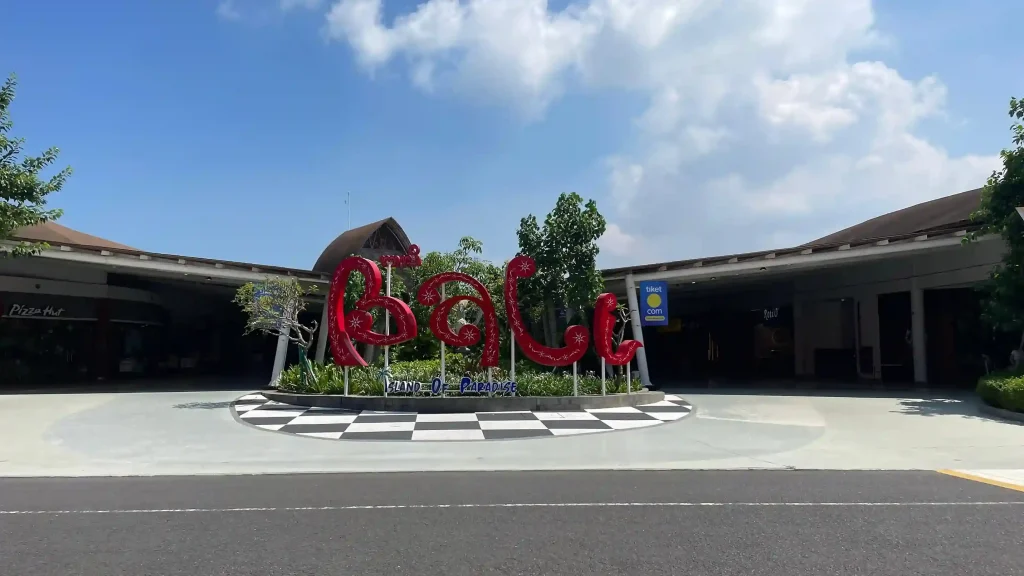
First, ICAO Annex 14 Amendment 18 on ground handling becomes applicable on 26 November 2026. It lands five weeks before the new year, which makes 2027 the first full season in which Indonesian regulators are expected to formalize ground handling oversight at I Gusti Ngurah Rai International Airport (IATA DPS, ICAO WADD) in Tuban, Kuta, Badung Regency — the state-owned Angkasa Pura I gateway serving Denpasar.
Second, Indonesia has been moving passenger declarations online for years. The electronic customs declaration has operated at DPS since 2022, and major Indonesian gateways have been folding customs and health data into a single digital submission since late 2023, according to Directorate General of Customs and Excise announcements. Nothing published as of August 2026 carves out an exemption for general aviation passengers.
Third, the arrival environment itself is stable. General aviation traffic clears through the dedicated GA terminal that ExecuJet has operated since November 2022, and the GA apron holds roughly 14 aircraft. Jet passengers do not stand in commercial queues; customs, immigration, and quarantine officers process them at the GA facility. For arriving parties, the practical question is who files what and when — which is exactly the gap CIQ handling at DPS exists to close, from pre-arrival passenger data to declaration support inside the terminal.
Which Rules Stay and Which Are Changing? The 2027 Watch Table
| Rule or charge | 2027 outlook | Status and date stamp |
|---|---|---|
| Mandatory ground handling for foreign-registered jets | Stays | Confirmed mandatory at all Indonesian airports, 2025 |
| Airport slots and PPR at DPS | Stays | Slot-coordinated with PPR required, per 2025 guidance |
| DGCA landing permit lead time | Stays; watch for digitalization | 3-5 business days with extensive documentation, as of August 2026 |
| Special domestic permit for multi-leg trips | Stays | Up to 30-day validity, confirmed 2025-2026 |
| IDR 100 million cash declaration threshold | Stays | In force under anti-money-laundering rules, August 2026 |
| USD 500 duty-free personal goods allowance | Stays | Finance ministry regulation in force, August 2026 |
| International passenger service charge | Stays | IDR 200,000 per passenger, per the published DPS charge schedule |
| Ground handling oversight standard | Changes | ICAO Annex 14 Amendment 18 applicable 26 November 2026 |
| E-declaration for arriving passengers | Expanding | e-CD live at DPS since 2022; single submission phased in since late 2023 |
Read the pattern honestly: passenger-facing rules are stable, operator-facing compliance is tightening. The 2027 pressure lands on handlers, documentation, and audit trails — not on the passenger walking from the airstair to the car.
How Do Cash Declaration Limits Work for Private Jet Passengers?
The same way they work for everyone — the private terminal changes the queue, not the law. Under Indonesian anti-money-laundering rules in force as of August 2026, anyone carrying cash or bearer instruments worth IDR 100 million or more (roughly USD 6,000 at August 2026 exchange rates) into or out of Indonesia must declare it to customs. Undeclared amounts draw administrative fines of 10 percent of the money carried, capped at IDR 300 million.
A second, stricter ceiling applies to foreign banknotes: amounts equivalent to IDR 1 billion or more may only be carried by banks and licensed money changers, under Bank Indonesia regulation. A principal who wants to move six figures in physical cash through DPS cannot legally do it in a carry-on — jet or no jet.
This matters more in general aviation than most people assume. Jet parties skew toward exactly the situations — property completions, yacht deposits, event payrolls — where someone boards with serious cash and never thinks of it as a customs issue. Officers at the GA terminal do ask. The declaration form takes minutes; the fine for silence does not scale down because the arrival was private.
| Situation | Threshold, as of August 2026 | Required action |
|---|---|---|
| Cash or bearer instruments, any currency | IDR 100 million equivalent or more | Declare to customs on arrival and on departure |
| Foreign banknotes carried in or out | IDR 1 billion equivalent or more | Bank or licensed money changer must carry it; private carriage not permitted per Bank Indonesia regulation |
| Personal goods | Above USD 500 per passenger | Import duty and taxes apply on the excess |
| Alcohol and tobacco | 1 litre of alcohol; 200 cigarettes | Pay on, or surrender, anything above the free allowance |
None of these thresholds has a published 2027 revision as of August 2026. They sit in national anti-money-laundering and finance ministry regulation, not airport policy, so they move slowly and rarely without months of notice.
Where Is the E-Declaration Rollout Heading for GA Arrivals?
The direction of travel is one form, filed before wheels-down. The electronic customs declaration went live at Bali in 2022, and since late 2023 Indonesia’s border agencies have been merging customs and health declarations into a single submission at major gateways. At the GA terminal, the working pattern as of August 2026 is straightforward: each passenger completes the form online — usually from a QR code sent pre-arrival — and officers verify it on the spot.
What could 2027 realistically add? Two steps, neither confirmed: tighter integration between the e-declaration and the passenger manifests operators already file, and verification completed before the aircraft touches down. Both fit the last four years of Indonesian border digitalization. Neither carries a published date as of August 2026, so plan around the current flow and treat anything smoother as a bonus.
One nuance for jet parties specifically: the e-form is per passenger, not per aircraft. A family of six means six submissions, children included. Handlers routinely finish these with passengers still in the cabin or the lounge, but the cleanest arrivals are the ones where every form was done the evening before departure.
What Should Operators Prepare Before a 2027 Arrival?
Work backwards from the arrival date:
- File the landing permit first. The DGCA process currently takes 3-5 business days with extensive documentation, as of August 2026. Multi-leg domestic itineraries can run on a special permit valid up to 30 days, confirmed in 2025-2026 guidance.
- Lock the slot and PPR. Indonesia treats its airports as slot-coordinated per 2025 guidance, and the GA apron at DPS holds roughly 14 aircraft. Finite space gets allocated ahead, not on arrival.
- Appoint the ground handler early. Ground handling is mandatory for foreign-registered jets at all Indonesian airports, confirmed in 2025 — and Amendment 18 will only deepen the documentation your handler carries on your behalf through 2027.
- Brief passengers on the e-declaration. Send the QR link the day before. Six passengers, six forms.
- Ask the cash question directly. A declaration takes minutes; an undeclared find costs 10 percent of the amount carried.
- Budget the passenger-side costs. On the commercial market, CIQ handling typically runs USD 150-400 per arrival — a benchmark, not an official tariff. The statutory passenger service charge is IDR 200,000 per international passenger, per the published DPS charge schedule.
- Respect the calendar. Slot and apron pressure peaks in July-August and December-January, and the wet season from November to March adds planning considerations of its own.
Do those seven things and the 2027 rule set, whatever its final shape, becomes an administrative detail rather than a delay on the apron.
Frequently Asked Questions
Will private jet passengers at DPS need to file an e-customs declaration before landing in 2027?
Almost certainly yes in practice. The electronic customs declaration has been standard at DPS since 2022, and Indonesian customs has kept widening digital single-submission since late 2023. Nothing published as of August 2026 exempts general aviation passengers. Plan for every passenger completing the e-form pre-arrival, usually via QR code, with handlers assisting on the apron or in the GA terminal.
Is the IDR 100 million cash declaration limit expected to change in 2027?
No change has been announced as of August 2026. The threshold — IDR 100 million or its foreign equivalent, declared on entry or exit — sits in anti-money-laundering law rather than airport policy, so it moves slowly. The stricter rule to watch is the IDR 1 billion equivalent ceiling on foreign banknotes, which requires a licensed carrier under Bank Indonesia regulation.
How does ICAO Annex 14 Amendment 18 affect private jet arrivals at Bali in 2027?
Indirectly but materially. The amendment, applicable from 26 November 2026, pushes states to formalize ground handling oversight. Expect Indonesian regulators to tighten documentation and audit trails at DPS through 2027 — more paperwork behind the scenes, not new passenger queues. Arrivals themselves should feel unchanged; the burden lands on handlers and operators, which is why appointing one early matters.

Frequently asked questions
Will private jet passengers at DPS need to file an e-customs declaration before landing in 2027?
Almost certainly yes in practice. The electronic customs declaration has been standard at DPS since 2022, and Indonesian customs has kept widening digital single-submission since late 2023. Nothing published as of August 2026 exempts general aviation passengers. Plan for every passenger completing the e-form pre-arrival, usually via QR code, with handlers assisting on the apron or in the GA terminal.
Is the IDR 100 million cash declaration limit expected to change in 2027?
No change has been announced as of August 2026. The threshold — IDR 100 million or its foreign equivalent, declared on entry or exit — sits in anti-money-laundering law rather than airport policy, so it moves slowly. The stricter rule to watch is the IDR 1 billion equivalent ceiling on foreign banknotes, which requires a licensed carrier under Bank Indonesia regulation.
How does ICAO Annex 14 Amendment 18 affect private jet arrivals at Bali in 2027?
Indirectly but materially. The amendment, applicable from 26 November 2026, pushes states to formalize ground handling oversight. Expect Indonesian regulators to tighten documentation and audit trails at DPS through 2027 — more paperwork behind the scenes, not new passenger queues. Arrivals themselves should feel unchanged; the burden lands on handlers and operators, which is why appointing one early matters.
Last updated 4 August 2026

Send your flight details
Tail number, MTOW, dates, passengers and services — a written quote typically comes back within one working day.
Leave a Reply