
Bali DPS 2027 Peak Season Slot Scarcity
Why DPS looks slot-scarce for 2027 peaks and how to mitigate: early filing, flexible windows, off-peak banks, standby slots. Grounded in dated 2026 signals


Bali’s I Gusti Ngurah Rai (DPS/WADD) enters 2027 with a general aviation apron of roughly 14 stands, mandatory slots and PPR, and peak waves every July–August and December–January. The playbook: file permits 10–14 days out, offer flexible arrival windows, target off-peak banks, and keep a reposition fallback ready. This is an outlook built on dated 2026 signals, not a prediction.
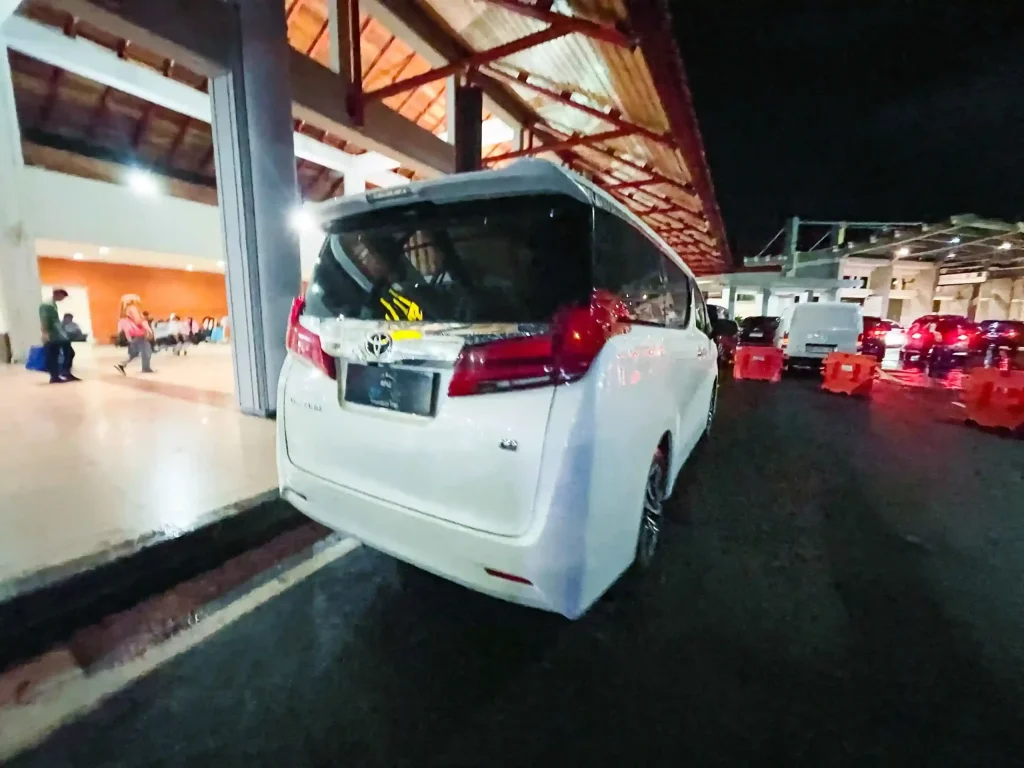
Why Does 2027 Look Tighter Than 2026 at DPS?
Nothing here is a forecast dressed up as fact. It is an outlook assembled from signals that carry dates, and every figure below reads as of August 2026, subject to change. Five of those signals point the same direction.
First, the apron is fixed. The dedicated general aviation apron at DPS holds roughly 14 aircraft, and ExecuJet has operated the GA terminal since November 2022. As of August 2026 there is no announced GA apron expansion, so 2027 demand growth meets 2026 concrete.
Second, slots are not optional. Guidance issued in 2025 confirms Indonesia treats its airports as slot-coordinated, with PPR and slots required for general aviation. A jet without a confirmed slot is not “probably fine” — it is a diversion waiting for a reason.
Third, permits take real time. Landing permits via the DGCA process currently require 3–5 business days with extensive documentation, and the flight schedule clearance goes through the official SMS-FSC digital system. Neither compresses because a principal decided late.
Fourth, the rulebook shifts mid-cycle. ICAO Annex 14 Amendment 18 on ground handling becomes applicable on 26 November 2026, which makes December 2026–January 2027 the first peak flown under the new framework and July–August 2027 the second. Compliance workload at handlers tends to rise exactly when traffic does.
Fifth, the calendar is unforgiving. Slot and apron pressure concentrates in July–August and December–January, while the November–March wet season adds weather variables to any December arrival plan.
If your 2027 dates already sit inside one of those windows, the cheapest insurance is time: request a handling quote online before committing to positioning legs, so slot feasibility gets tested against live coordination data instead of optimism.
Which Mitigation Tactics Actually Move the Needle?
Every tactic below trades something — money, comfort, or certainty. The table shows both sides so an owner or scheduler can choose deliberately rather than by default.
| Tactic | How it works | What you gain | What it costs you |
|---|---|---|---|
| Flexible arrival window (±2–3 hours) | Slot request lists an acceptable band, not a single minute | Far better approval odds on first submission | Ground transport, villa check-in and crew duty must flex with it |
| Off-peak arrival bank | Target periods outside the commercial morning and evening waves | Less slot competition, quieter CIQ processing | Red-eye timing upstream; passengers land tired |
| Early filing (D-14 or sooner) | Permit dossier submitted two weeks out against the 3–5 business day DGCA window | Buffer for document corrections without losing the date | Itinerary must firm up early; changes restart parts of the clock |
| Standby backup slot | Second request held on an adjacent day or window | A pre-approved fallback if the primary is refused | Coordination effort on two requests; one is always wasted |
| Drop-and-go with reposition | Aircraft deplanes passengers, repositions to Surabaya, Jakarta or Lombok, returns for departure | Arrival proceeds even with zero overnight parking | Repositioning fuel, second movement charges, crew duty burn |
| Date-shift by 48–72 hours | Arrival moves to the shoulder of the peak wave | Slot, apron and CIQ pressure all drop at once | The calendar rules the trip, not the principal |
Two of these deserve a note. The reposition play is priced in fuel: according to the Logistics Capacity Assessment, jet fuel at DPS runs USD 0.907 per litre on international uplift, so a Lombok or Surabaya round trip is a calculable premium rather than an unknown. And the standby tactic suits multi-leg programs best — special domestic permits with up to 30-day validity exist for multi-leg itineraries, confirmed in 2025–2026 practice, which lets one dossier cover a shifting schedule.
How Should You Sequence a 2027 Peak Filing?
Order matters more than effort. This sequence works backwards from the DGCA’s 3–5 business day processing reality and DPS’s slot-coordinated status.
- D-30: Freeze the itinerary skeleton — tail number, crew list, MTOW, dates. Every later step reuses this data.
- D-14: Submit the landing permit dossier through the DGCA process. Two weeks against a 3–5 business day clock leaves room for one round of corrections.
- D-10: File slot and PPR requests with the flexible window already built in, and open apron parking coordination for the intended stay.
- D-7: Lodge the flight schedule clearance in the SMS-FSC digital system and align it with the approved permit.
- D-5: Confirm CIQ arrangements for passengers and crew, plus crew accommodation — during peak waves, Bali hotel inventory tightens along with the apron.
- D-2: Reconfirm slot and parking, check the weather picture (a December arrival sits inside the November–March wet season), and brief the fallback plan.
- Day of movement: Keep the handler’s line open. Peak days produce short-notice slot swaps, and the operator who answers within minutes keeps the better window.
What Does a Protected 2027 Arrival Cost in Practice?
Statutory charges are the floor. Per the published DPS charge schedule, the international landing charge is USD 3.64 per tonne MTOW up to 40 tonnes, movement-based charges start at USD 37 per movement for aircraft up to 100 tonnes, and the passenger service charge is IDR 200,000 per international passenger.
The commercial layer is where scarcity shows up. Market benchmarks as of August 2026 — quote-based, never to be read as official tariffs — put FBO-style ground handling at USD 800–2,500 per movement depending on aircraft size, CIQ handling at USD 150–400 per arrival, and typical all-in arrival costs at USD 2,500–5,000 for a light jet and USD 6,000–12,000 for a heavy jet. Passenger-side concierge support starts around USD 400 per movement as of 2026. In a scarce 2027 peak, that money buys sequence discipline: an early filing, a standby window and a rehearsed reposition plan together cost less than one refused slot on the principal’s chosen date.
One honest caveat closes the outlook. A single announcement — a GA apron extension, a slot-policy revision, a new permit portal — would redraw this picture. Until one lands, the 2026 signals say plan 2027 as if scarcity is the base case, because at roughly 14 stands and two peak waves a year, it already is.

Frequently Asked Questions
How far ahead should I request a DPS slot for July–August 2027?
Work backwards from the paperwork, not the calendar page. Landing permits via the DGCA process take 3–5 business days as of August 2026, so a D-14 permit filing with slot and PPR requests at D-10 is the practical minimum. For July–August 2027 peak dates, opening coordination 30 days out buys room for corrections and a standby window.
What happens if no overnight parking is available at DPS during peak 2027?
The arrival can still go ahead as a drop-and-go: the aircraft deplanes passengers, repositions to Lombok, Surabaya or Jakarta, and returns for the departure slot. The cost is repositioning fuel — USD 0.907 per litre international at DPS according to the Logistics Capacity Assessment — plus second movement charges and crew duty time.
Will ICAO Annex 14 Amendment 18 slow Bali ground handling in 2027?
It becomes applicable on 26 November 2026, so 2027’s peaks are the first flown under it. The amendment standardizes ground-handling oversight rather than cutting apron capacity, but compliance workload at handlers can lengthen turnarounds during the first peak cycles. Booking a handler that has already adapted its procedures is the sensible hedge.
Frequently asked questions
How far ahead should I request a DPS slot for July–August 2027?
Work backwards from the paperwork, not the calendar page. Landing permits via the DGCA process take 3–5 business days as of August 2026, so a D-14 permit filing with slot and PPR requests at D-10 is the practical minimum. For July–August 2027 peak dates, opening coordination 30 days out buys room for corrections and a standby window.
What happens if no overnight parking is available at DPS during peak 2027?
The arrival can still go ahead as a drop-and-go: the aircraft deplanes passengers, repositions to Lombok, Surabaya or Jakarta, and returns for the departure slot. The cost is repositioning fuel — USD 0.907 per litre international at DPS according to the Logistics Capacity Assessment — plus second movement charges and crew duty time.
Will ICAO Annex 14 Amendment 18 slow Bali ground handling in 2027?
It becomes applicable on 26 November 2026, so 2027’s peaks are the first flown under it. The amendment standardizes ground-handling oversight rather than cutting apron capacity, but compliance workload at handlers can lengthen turnarounds during the first peak cycles. Booking a handler that has already adapted its procedures is the sensible hedge.
Last updated 4 August 2026
Send your flight details
Tail number, MTOW, dates, passengers and services — a written quote typically comes back within one working day.
Leave a Reply