
How to Book Helicopter Transfers from the Bali Private Jet
How to book helicopter transfers from the Bali private jet terminal at DPS: airside approvals, luggage limits, USD 200 coordination fee, road-vs-heli times
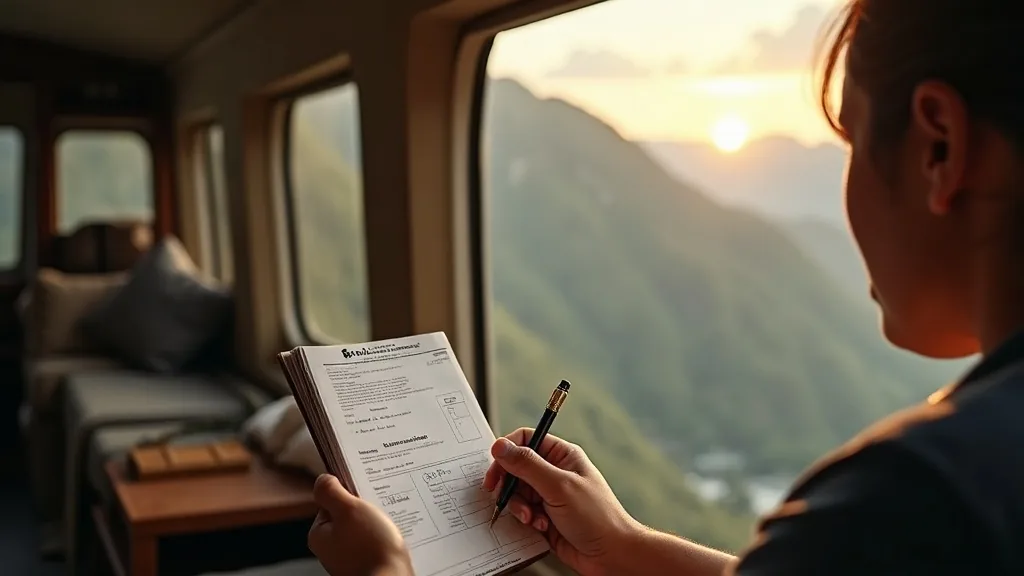

To book a helicopter transfer from the Bali private jet terminal, request the connection when you confirm ground handling at DPS, ideally 72 hours out. A coordinator secures airside approvals, matches the heli slot to your jet’s block-in time, and escorts you to the helipad. Coordination costs USD 200 as of August 2026; the charter is billed separately.
A jet-to-heli connection is the fastest way off Bali’s road network, and also the most process-heavy transfer the island offers: two aircraft, two operators, two sets of approvals, all hinged on one arrival time that can slip. Here is how the booking works at I Gusti Ngurah Rai International Airport (IATA DPS, ICAO WADD), who approves what, what your real luggage allowance is, and where the helicopter beats the car by two hours.

How does a jet-to-heli connection work at DPS?
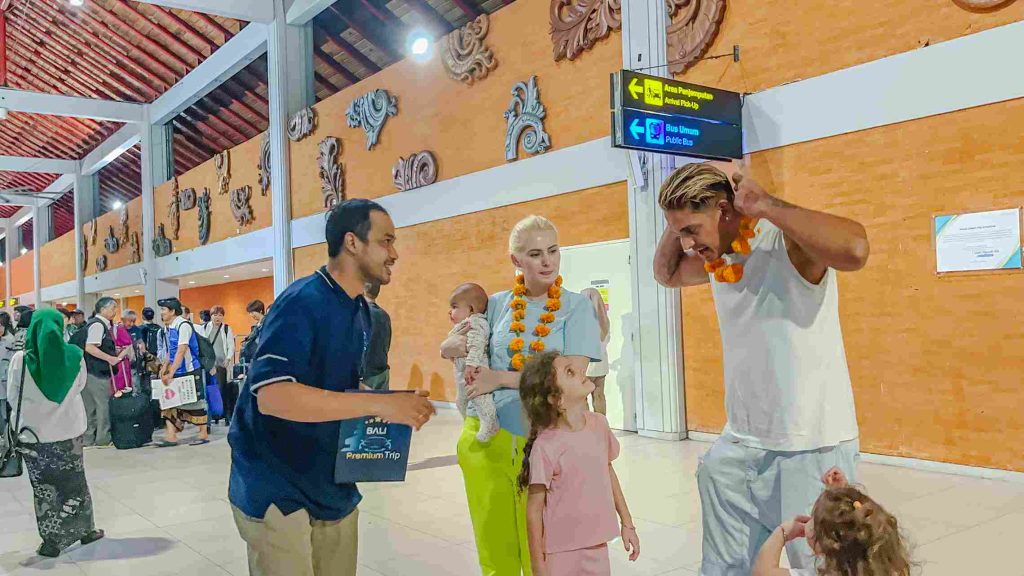
Your jet parks on the dedicated general aviation apron at Ngurah Rai in Tuban, Kuta — a stand area that holds roughly 14 aircraft as of August 2026, with the GA terminal operated by ExecuJet since November 2022. The helicopter leg then starts in one of two places: from the airport itself, subject to airside approvals, or from a designated helipad a short drive away.
That split matters. A same-airport departure means you clear immigration inside the GA terminal and follow a marshalled route to the helicopter. An off-airport helipad adds a 10-25 minute car leg but sidesteps the tightest layer of airside paperwork, so operators confirm it more reliably — especially in the July-August and December-January peaks, when apron space at DPS is under its heaviest pressure.
Because the two flights are run by different companies under different rules, someone has to hold the middle. That is the whole point of helicopter transfer coordination: one desk that tracks your jet’s actual arrival time, holds the helicopter slot, files the movement paperwork, and re-times the entire chain when your departure airport releases you 40 minutes late.
Who approves airside helicopter access at Ngurah Rai?
Nothing moves airside at DPS without sign-off, and a heli connection touches four separate parties:
- The airport operator. Ngurah Rai is run by state-owned Angkasa Pura I, which controls stand allocation and apron movements. Any ramp-side transfer between jet and helicopter happens inside its rules.
- Slot and PPR channels. Indonesia treats its airports as slot-coordinated, with prior permission required — a position confirmed in 2025 guidance. The helicopter movement needs its own slot, separate from the one your jet arrived on.
- The ground handler. Ground handling is mandatory for foreign-registered aircraft at all Indonesian airports, confirmed in 2025. Your handler physically escorts passengers airside and sequences the baggage move between aircraft.
- The licensed helicopter operator. The AOC holder files its own flight plan, carries the passengers, and bills the charter directly.
One honesty note: we coordinate with licensed handlers, the GA terminal operator, and the authorities through official procedures — we are not an airline and hold no AOC. A coordination fee buys sequencing; the approvals themselves are issued by the parties above, on their timelines.
How much time does the helicopter actually save?
The savings depend almost entirely on where you are going and what time your jet lands. Southern Bali traffic between 15:00 and 19:00 can double a road transfer. The figures below are indicative as of August 2026 — flight times are helipad to helipad, and both columns exclude the walk or short drive to your final door.
| Destination | Road, light traffic | Road, peak traffic | Helicopter flight |
|---|---|---|---|
| Nusa Dua | 25-35 min | 50-70 min | ~8 min |
| Uluwatu | 40-50 min | 75-100 min | ~10 min |
| Seminyak | 30-40 min | 60-90 min | ~10 min |
| Canggu | 45-60 min | 90-150 min | ~12 min |
| Ubud | 75-90 min | 120-180 min | ~15 min |
| East Bali (Candidasa area) | 90-120 min | 150-210 min | ~20 min |
Read the table honestly: for Nusa Dua on a quiet morning, the helicopter is a luxury, not a time machine. For Canggu or Ubud on a Friday evening in August, it routinely returns two hours of your day.
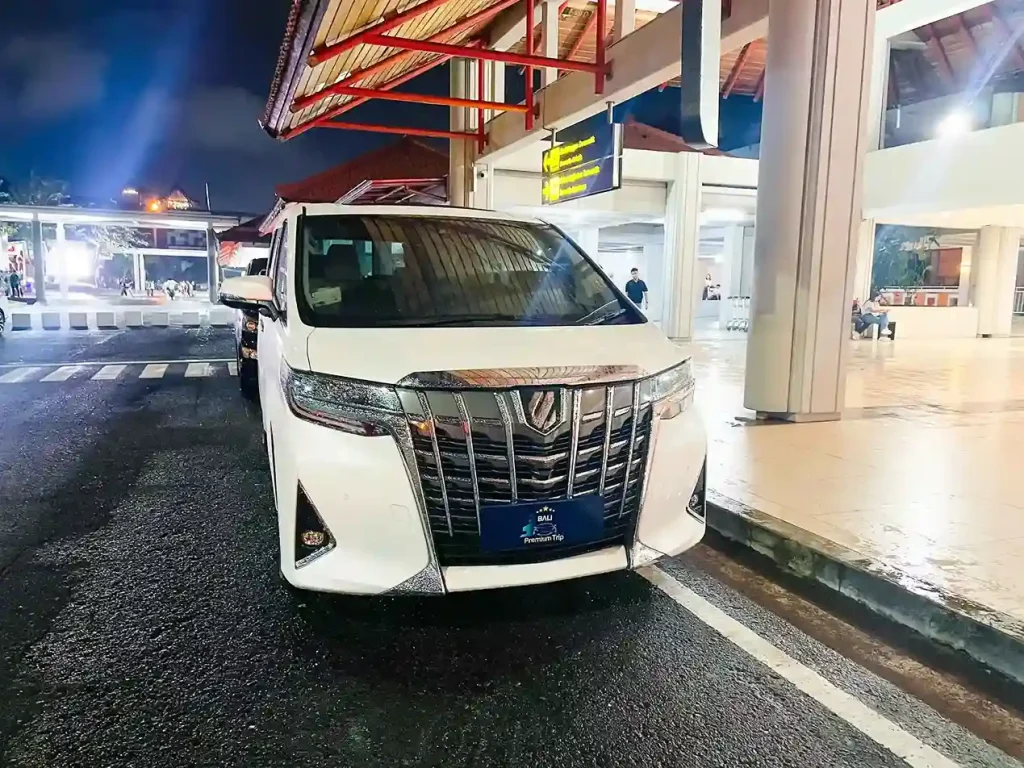
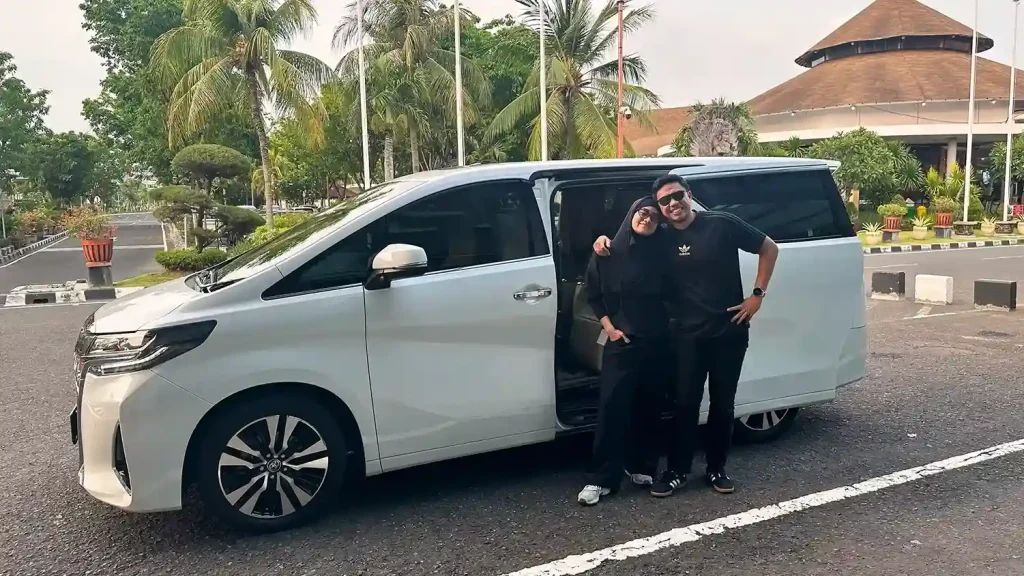
Weather is the other variable. The wet season runs November through March, and afternoon build-ups can delay a visual-rules helicopter even when your jet lands without issue. Every serious booking carries a road fallback — a chauffeured Alphard or V-Class from USD 150 as of 2026 — pre-positioned so a weather scrub costs you minutes, not an hour of re-planning.
What are the real luggage limits on a helicopter transfer?
This is where jet habits collide with helicopter physics: the practical allowance is far below what your jet’s baggage hold accepted.
Working rules that operators typically brief, as of August 2026:
- Soft bags only. Rigid suitcases often will not fit the cargo compartment shape regardless of weight.
- Roughly 10-15 kg per passenger on light singles; larger cabin-class helicopters stretch to about 15-20 kg, subject to the operator’s load sheet.
- Passenger weights are part of the calculation. Operators ask for them in advance; a full cabin on a hot day reduces the baggage margin further.
- Overflow goes by road. The standard pattern is bags in the fallback car, passengers in the helicopter, both dispatched from DPS within minutes of each other.
Flag your total baggage picture at booking time, not at the helipad. A load-sheet surprise on the day is the single most common reason a planned connection converts to a road transfer.
What does the connection cost as of August 2026?
Three separate line items, billed by three different parties. None of these are official tariffs — they are indicative commercial figures, quote-based and subject to change.
| Item | Indicative figure (as of August 2026) | Billed by |
|---|---|---|
| Helicopter connection coordination | USD 200 flat service fee | Coordination desk |
| Helicopter charter | Quoted per route and aircraft type | Licensed helicopter operator, directly |
| GA arrival concierge (optional) | From USD 400 per movement | Concierge — greeters, porters, CIQ coordination, escort |
| Road fallback vehicle | From USD 150 (Alphard or V-Class); Alphard benchmarks from USD 80 elsewhere | Transport provider |
The USD 200 fee covers slot matching, approval paperwork, arrival tracking, and re-timing when schedules move. The charter — usually the largest number — is always quoted and invoiced by the licensed operator, which carries the passengers and the liability.
How do you book the connection, step by step?
- Confirm your jet’s handling first. The heli leg keys off your PPR and stand assignment, so the fixed-wing side must be locked before anything else.
- Request the connection at least 72 hours out — five to seven days in the July-August and December-January peaks.
- Send passenger count, weights, and baggage details. The operator builds its load sheet from these.
- Choose airport departure or nearby helipad based on what the approvals and apron situation allow for your date.
- Approve the charter quote issued directly by the licensed operator, alongside the USD 200 coordination fee.
- Confirm the road fallback. Vehicle held at DPS regardless, released only once you lift.
- Fly. On arrival day the coordinator tracks your inbound leg and shifts the heli slot if your block-in time moves.
Frequently Asked Questions
How far in advance should I book a helicopter transfer to meet my jet at DPS?
Seventy-two hours is the practical minimum, because helicopter slot requests and airside approvals move through separate channels from your jet’s PPR. During peak windows — July-August and December-January as of August 2026 — extend that to five to seven days. Same-day requests occasionally succeed in the wet-season low period, but only when an operator already has an aircraft and pilot positioned near DPS.
Can the helicopter collect us directly beside the jet on the GA apron?
Rarely, and only with specific airside approvals that Angkasa Pura I and your ground handler control. The GA apron at DPS holds roughly 14 aircraft and its stands are allocated for fixed-wing parking, so most connections walk you from the ExecuJet-operated GA terminal to a designated point, or drive you a few minutes to a nearby helipad. Treat ramp-side pickup as an exception, never a promise.
What happens if my luggage exceeds the helicopter’s weight limit?
The overflow travels by road. Coordinators hold a chauffeured car — an Alphard or V-Class from USD 150 as of August 2026, with some providers quoting Alphards from USD 80 — that leaves DPS while you fly. The driver typically reaches an Ubud or Uluwatu villa 60 to 120 minutes after you land, so keep a small cabin bag with anything you need in that first hour.
Frequently asked questions
How far in advance should I book a helicopter transfer to meet my jet at DPS?
Seventy-two hours is the practical minimum, because helicopter slot requests and airside approvals move through separate channels from your jet’s PPR. During peak windows — July-August and December-January as of August 2026 — extend that to five to seven days. Same-day requests occasionally succeed in the wet-season low period, but only when an operator already has an aircraft and pilot positioned near DPS.
Can the helicopter collect us directly beside the jet on the GA apron?
Rarely, and only with specific airside approvals that Angkasa Pura I and your ground handler control. The GA apron at DPS holds roughly 14 aircraft and its stands are allocated for fixed-wing parking, so most connections walk you from the ExecuJet-operated GA terminal to a designated point, or drive you a few minutes to a nearby helipad. Treat ramp-side pickup as an exception, never a promise.
What happens if my luggage exceeds the helicopter’s weight limit?
The overflow travels by road. Coordinators hold a chauffeured car — an Alphard or V-Class from USD 150 as of August 2026, with some providers quoting Alphards from USD 80 — that leaves DPS while you fly. The driver typically reaches an Ubud or Uluwatu villa 60 to 120 minutes after you land, so keep a small cabin bag with anything you need in that first hour.
Last updated 4 August 2026
Related Articles
- Bali Private Jet Near Me’: Top 2027 Departure Hubs in Asia for Four Seasons and Remote Lands Jo
- From Jakarta to Bali Private Jet: Best 2027 Routing Options for Southeast Asian Luxury Traveler
- Booking Your Bali Private Jet: A 2027 Pre-Arrival Customs Guide
- How Much Does a Budget Bali Stay Start at in 2027? Excluding Hotels: 50/Day Breakdown
Send your flight details
Tail number, MTOW, dates, passengers and services — a written quote typically comes back within one working day.
Leave a Reply